Why Learning Your Hound's Language
Changes Everything
06 July 2026
Dogs are communicating with us every moment of every day. Through their posture, facial expressions, movement, tail carriage, breathing, and even the smallest changes in muscle tension, they're constantly telling us how they feel and what they need.
The challenge isn't that our hounds aren't communicating - it's that many of us have never been taught how to understand their language.
When we miss or misinterpret these signals, misunderstandings can happen. A dog who is feeling overwhelmed may be labelled as stubborn. A worried dog may be described as naughty. An excited dog may become frustrated simply because their communication has gone unnoticed.
Learning to recognise canine body language allows us to see the world from our hound's perspective. Instead of reacting to behaviour, we begin to understand the emotions and motivations behind it. This helps us make kinder, more informed decisions that support our hound's wellbeing.
Communication is also a two-way process. It's not just about understanding what our hounds are saying—it's about becoming aware of what we're communicating to them through our own body language, movement, timing, and interactions. The more clearly we communicate with our hounds, the more confidently they can respond to us.
Developing these skills can help you:
- Recognise early signs of stress, uncertainty, or excitement.
- Prevent misunderstandings before they escalate.
- Build confidence in both you and your hound.
- Strengthen trust and cooperation.
- Deepen the relationship you share.
Like learning any new language, canine communication takes time. The more you observe, the more patterns you'll begin to notice, and the more fluent you'll become in understanding your own hound as an individual.
If you'd like to become more fluent in your hound's language, my 1:1 Canine Communication Workshop Series is designed to help you build your skills step by step. Whether you're just beginning to explore canine body language or looking to deepen your understanding, the workshops provide practical, evidence-based guidance tailored to you and your hound.
You can find out more by visiting the Services page on this website.
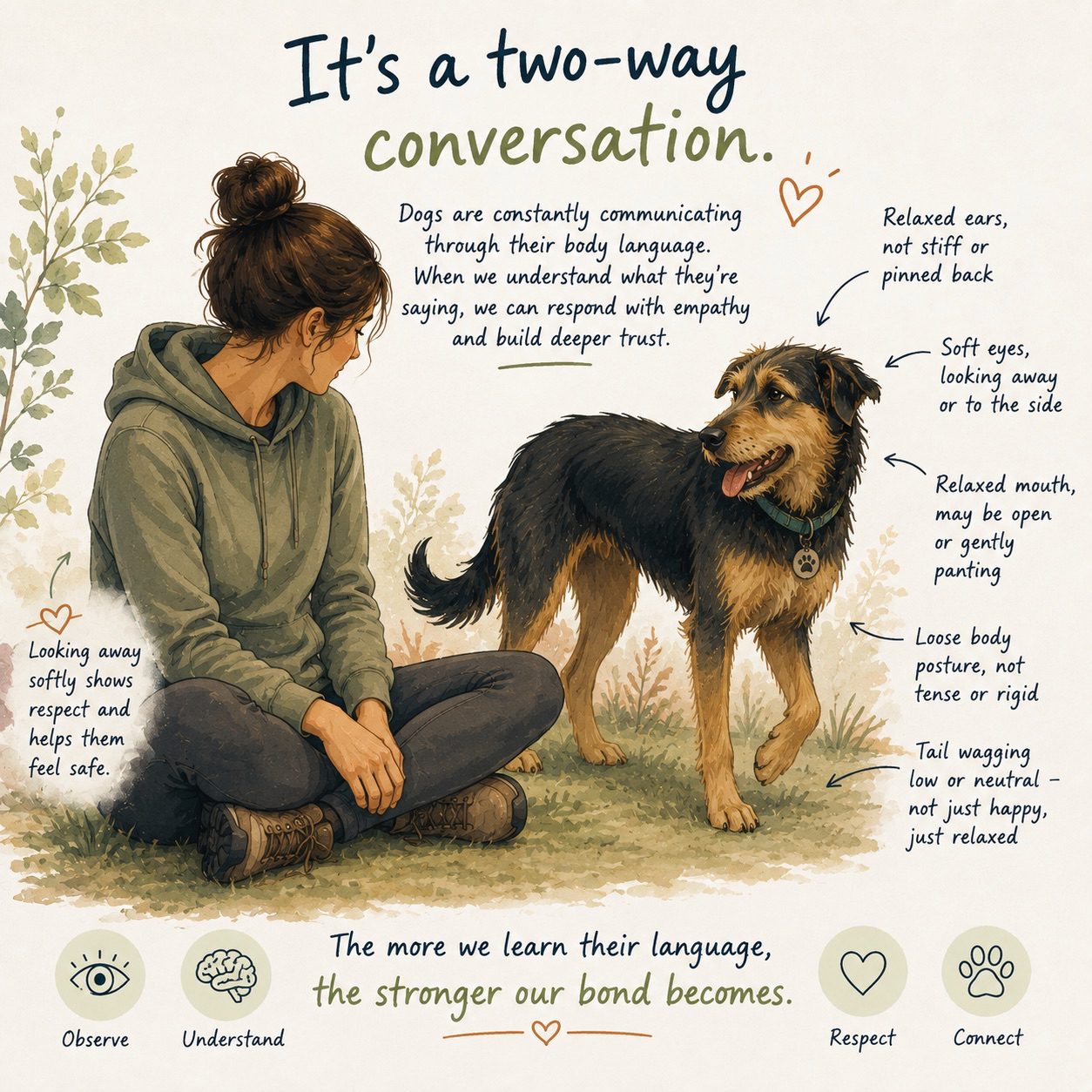
Concept and creative direction by Jackie Murray. Illustration created using AI.
Celebrating the Growl!
13 May 2026
A growl is one of the clearest ways a dog communicates discomfort, warning, or uncertainty. It is not “bad behaviour” in itself; it is information. When we understand growling properly, we are better able to support our dogs and prevent situations from escalating.
Before a dog growls, they will give us several body language signals first. These may include turning away, freezing, showing tension in the body, lowering the head, lip licking, whale eye, or moving away from a person or another dog. These signals are often subtle, which is why they are so easily missed. A growl usually appears when those earlier messages have not been noticed or respected.
It is also important to recognise that not all growls mean the same thing. Some are linked to play and excitement, while others can indicate fear, stress, frustration, pain, or a need for space. This is why context matters so much. The same sound can have a very different meaning depending on the dog’s body language, environment, and what is happening around them.
Instead of teaching dogs not to growl or punishing their growl, we should learn to understand why they are growling. If we remove the growl without addressing the cause, we remove an important warning signal while the underlying emotion remains. That can make future communication less clear, and potentially riskier.
By paying attention to the whole picture — the situation, your dog’s body language, and their type of growl — we can become better listeners. A growl is not something to fear or to be scolded. It is a valuable part of canine communication, and when respected, it can help us build safer, kinder, and more trusting relationships with our dogs.
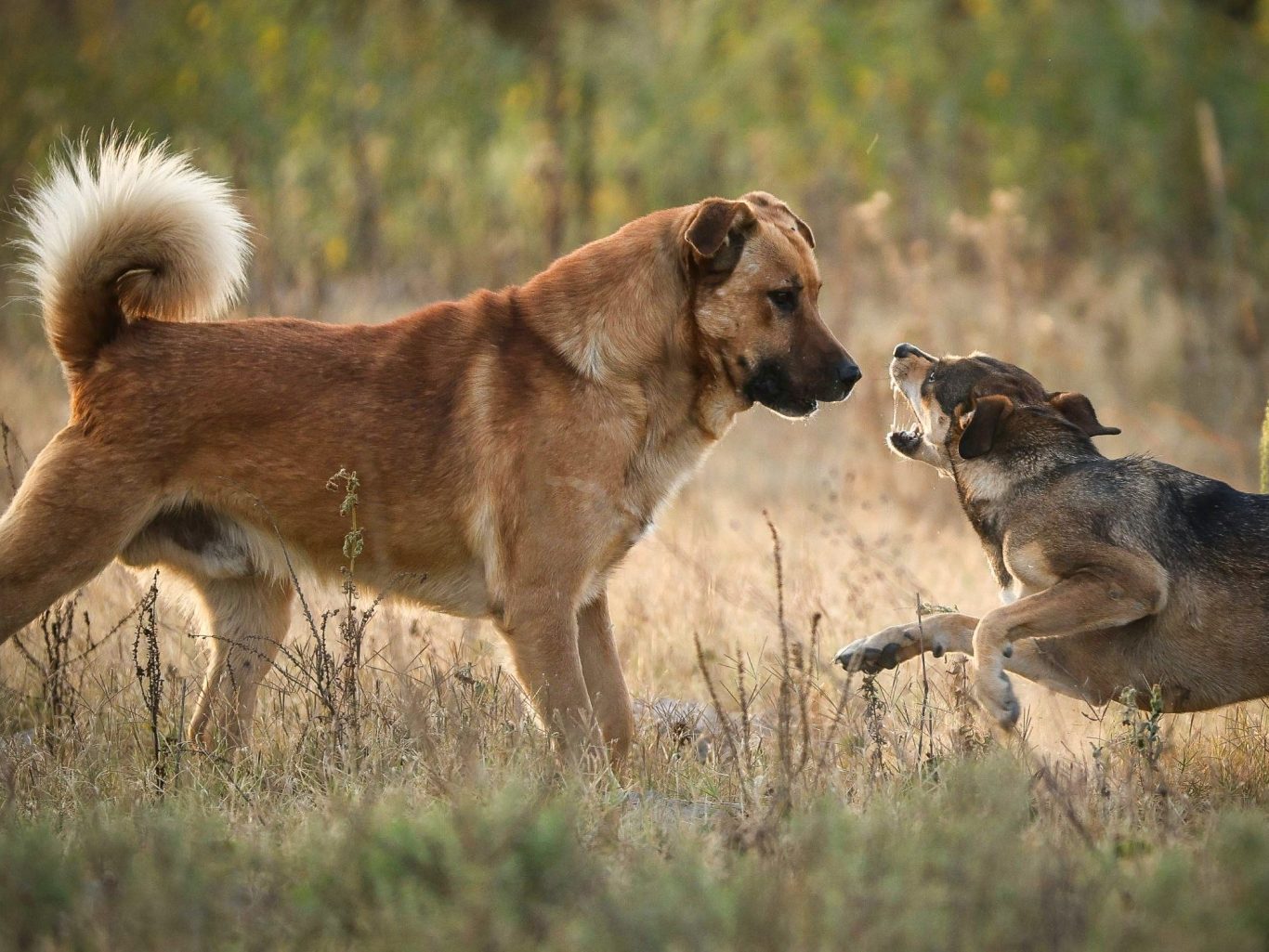
Photograph by Ricardo Benitez on Pexels (https://www.pexels.com/@amapoloph/)
Honouring the Dogness in Dogs!
Unlock Their World Through Sniffing
01 April 2026
Letting dogs act like themselves - by embracing sniffing - plays a key role in boosting their mental sharpness, emotional stability, and general happiness.
Why Sniffing Matters
For dogs, sniffing is their main way to explore and make sense of the world, acting as a core sense for gathering info, connecting with others, and processing thoughts. Unlike humans who depend mostly on vision, dogs use their sense of smell to map out an invisible world of odours, uncovering clues about what happened before, what's coming next, and what's around them right now.
Beyond Just Smells
Odours give dogs detailed insights, far more than simple likes or dislikes - they reveal facts like another dog's age, sex, health, and emotional state. Dogs exchange info by detecting and depositing scents, turning walks into brain-boosting sessions that build focus and energy. Scent-based games, like hiding treats for them to find, lift their mood, fostering a positive outlook and easing anxiety.
Risks of Rushing Walks
Heeling a dog past every scent can mimic sensory neglect, starving their powerful noses of natural input. Their smell system opens doors to a scent-filled realm we humans can't perceive, full of layered details. Instead, follow your dog's lead on "sniffari" outings: pause, wander, and let them investigate fully for true fulfilment.
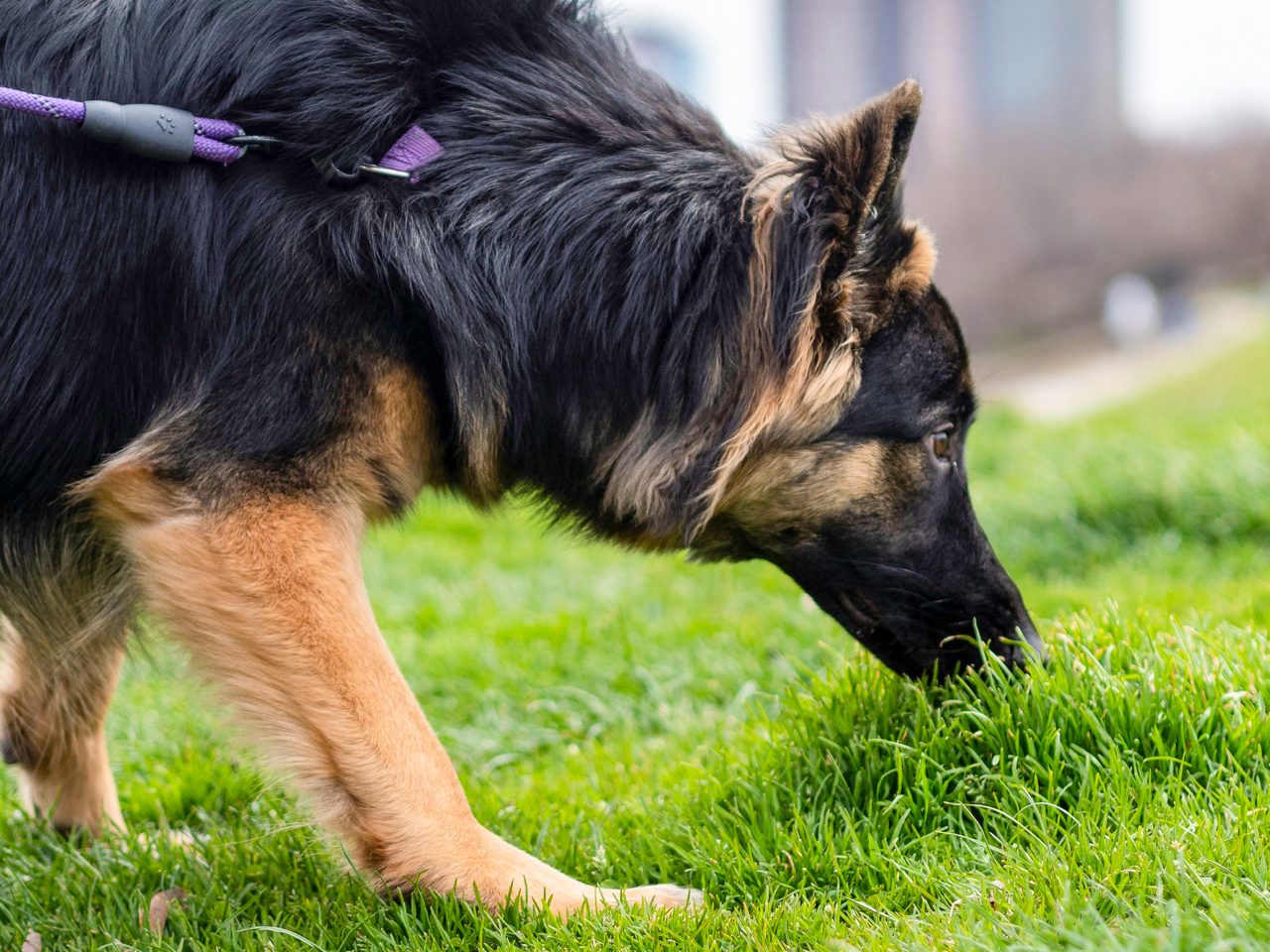
Photograph by the author
Letting Your Hound Lead
Unlocking Autonomy and Deeper Trust
13th March 2026
Trust is at the heart of every good bond - especially the one with your hound. When we give them a bit more freedom, we’re saying, “I trust you.” And that changes everything.
Let Them Take the Lead
Instead of rushing them along, hang back and follow their nose. Let them choose the route (within reason). That pause to sniff, that quick detour - it’s not randomness, it’s joy. You’re letting them be a dog.
Why It Matters
When dogs feel heard, they relax and connect more deeply. It’s not about control; it’s about partnership. “Heel” becomes “let’s go together.”
Give It a Go
Try letting your hound lead for five minutes. Watch how their body softens, how their tail wags differently. That’s trust in motion.
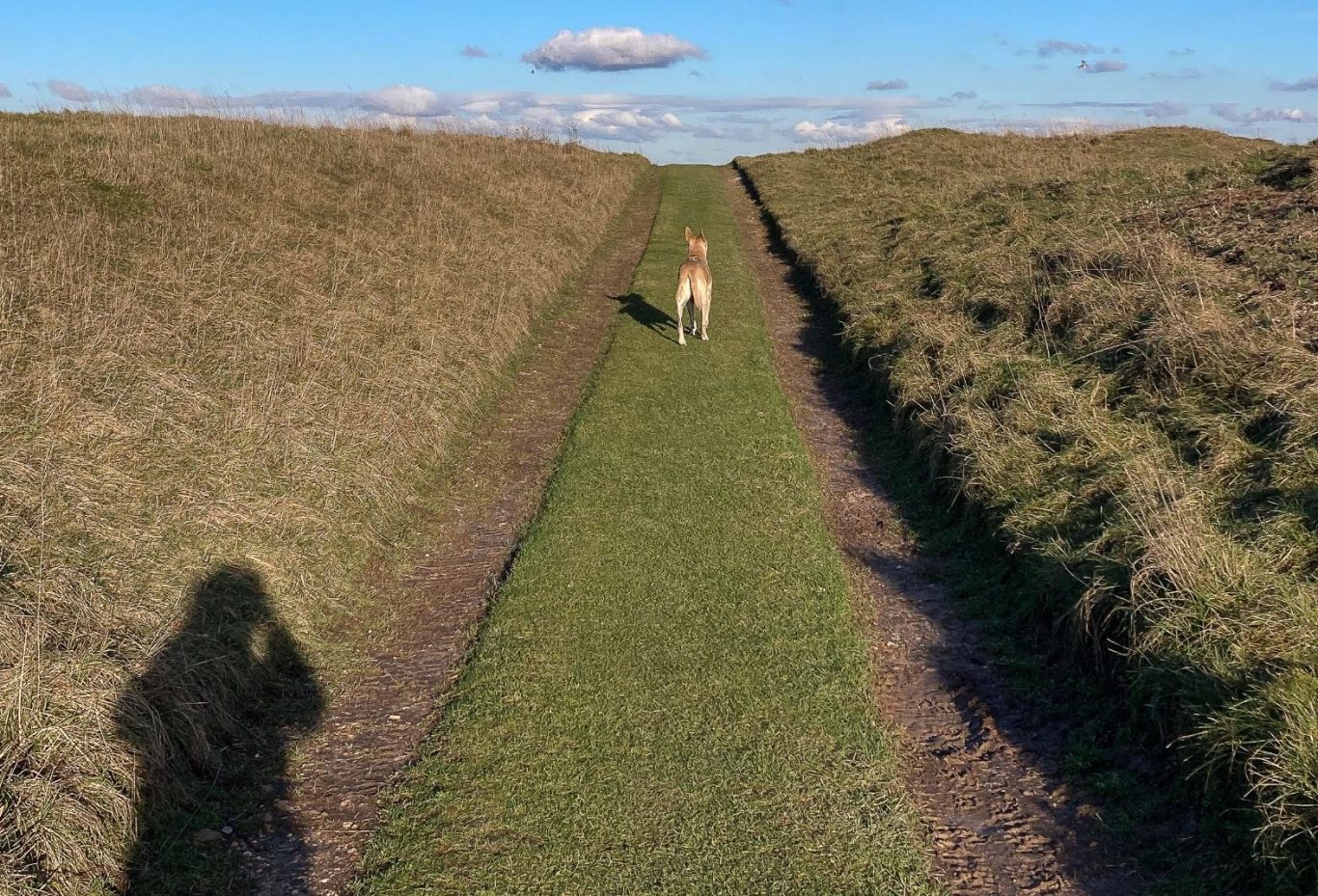
Photograph by the author
World Spay Day
Why Spay/Neuter Secures Futures for All Dogs
24 February 2026
World Spay Day is dedicated to promoting the spaying and neutering of pets as a humane and effective way to reduce pet overpopulation. This global event raises awareness about the importance of responsible pet ownership and encourages pet owners to take action. The event emphasises the benefits of spaying and neutering, which include improved pet health, reduced animal suffering, and a decrease in the number of animals euthanised in shelters.
By taking action on this day and supporting spay/neuter initiatives, you can make a positive impact on the lives of animals and contribute to creating a more humane world.
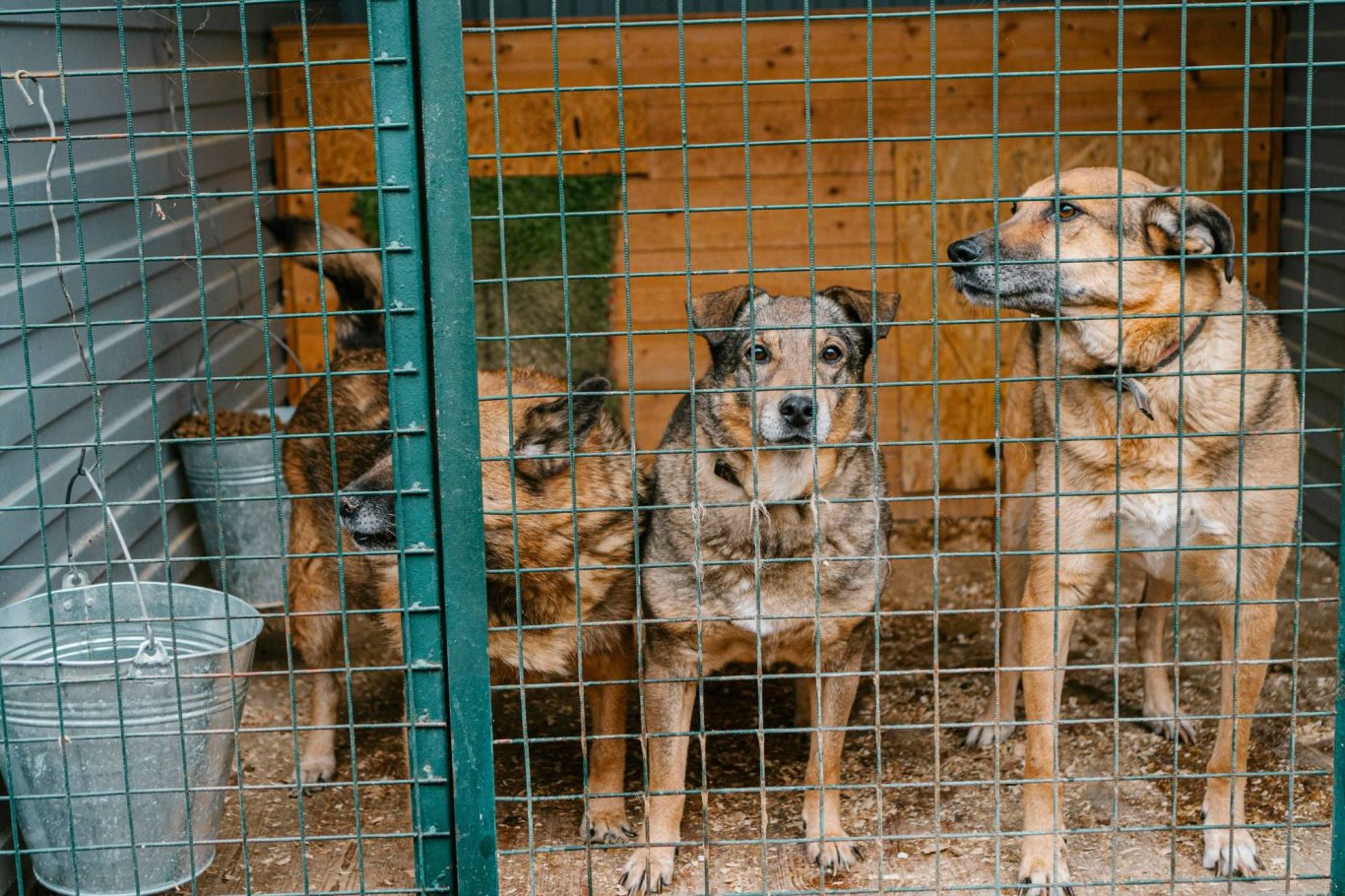
Photograph by Irina Zhur on Pexels (https://www.pexels.com/photo/dogs-in-the-cage-9830196/)